February Reflections
 Pavla Borg
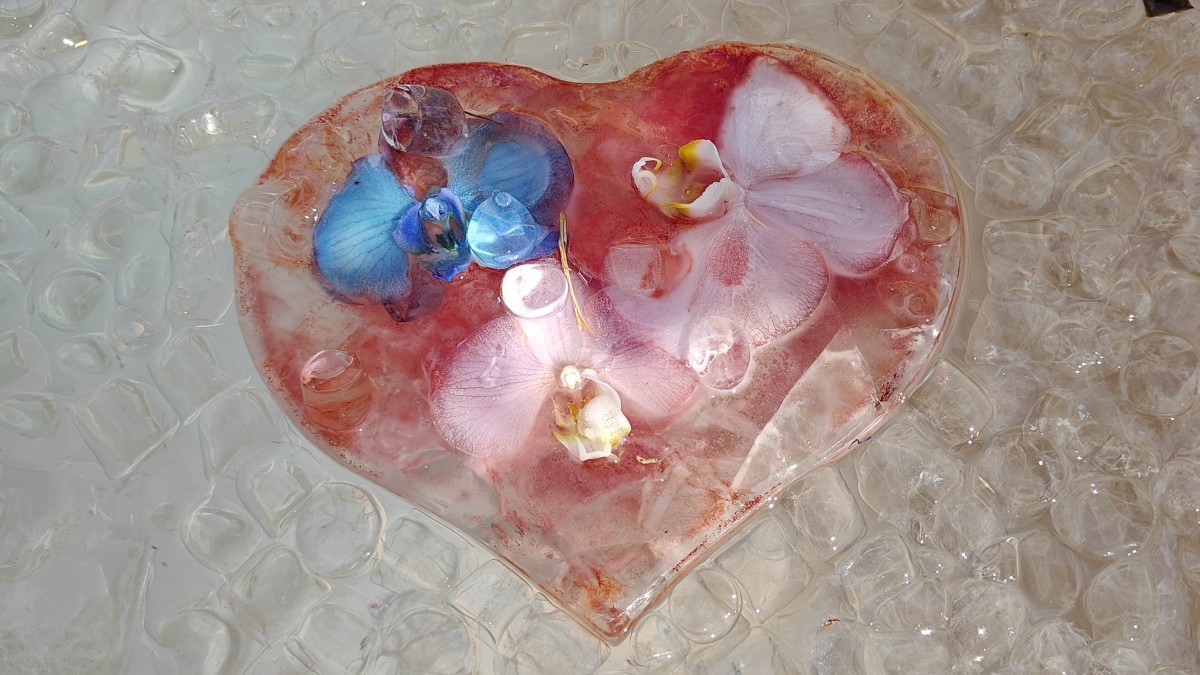
On the heart we carry, the body we live in and the care we return to.
February, My Heart
Today, a memory surfaced.
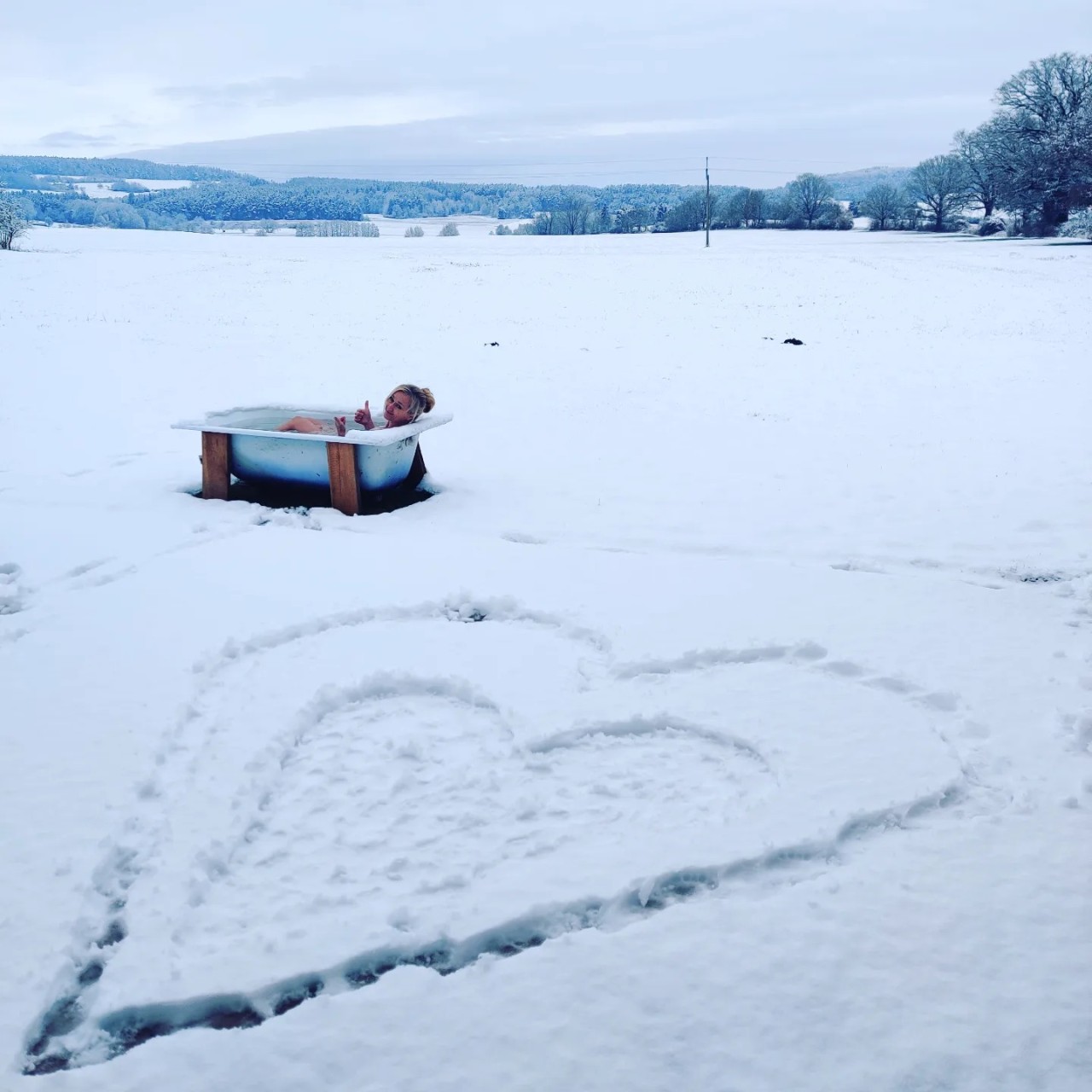
February has never been my favourite month. I didn’t grow up with Valentine’s day traditions and by this point in the year I’ve usually had enough of winter. For a long time, I didn’t think of February as a month of the heart at all.
But over time, I've come to understand why it holds this heartful spotlight. Not just the romantic kind of heart but the living, beating one: the heart that keeps showing up, that breaks, heals and keeps going. Since 1964, February's been Heart Month, shining a light on cardiovascular disease, the world's top killer. And 4 February is World Cancer Day, another kind of heartbreak that matters deeply to me.
Cancer has taken people I loved. Those losses changed how I relate to bodies, to health and to the questions I ask. Maybe you can relate in some way. This year’s World Cancer Day theme, “United by Unique”, captures a truth I hold close: cancer is a shared human experience, yet every body and every story is unique. You may have heard the statistic that one in five people will develop cancer in their lifetime. Here’s a different, more hopeful number: nearly half of cancer deaths are preventable.
I don’t treat that as a promise. I see it as an invitation: to look more closely at how we live, how we recover and how we care for our internal environment... our terrain. We often talk about disease like it just strikes out of nowhere. But increasingly we're learning it's shaped by the world around us and the world inside us: our lifestyle, environment, connections, even down to our cellular resilience, metabolism, inflammation and how we hold emotions in our nervous system.
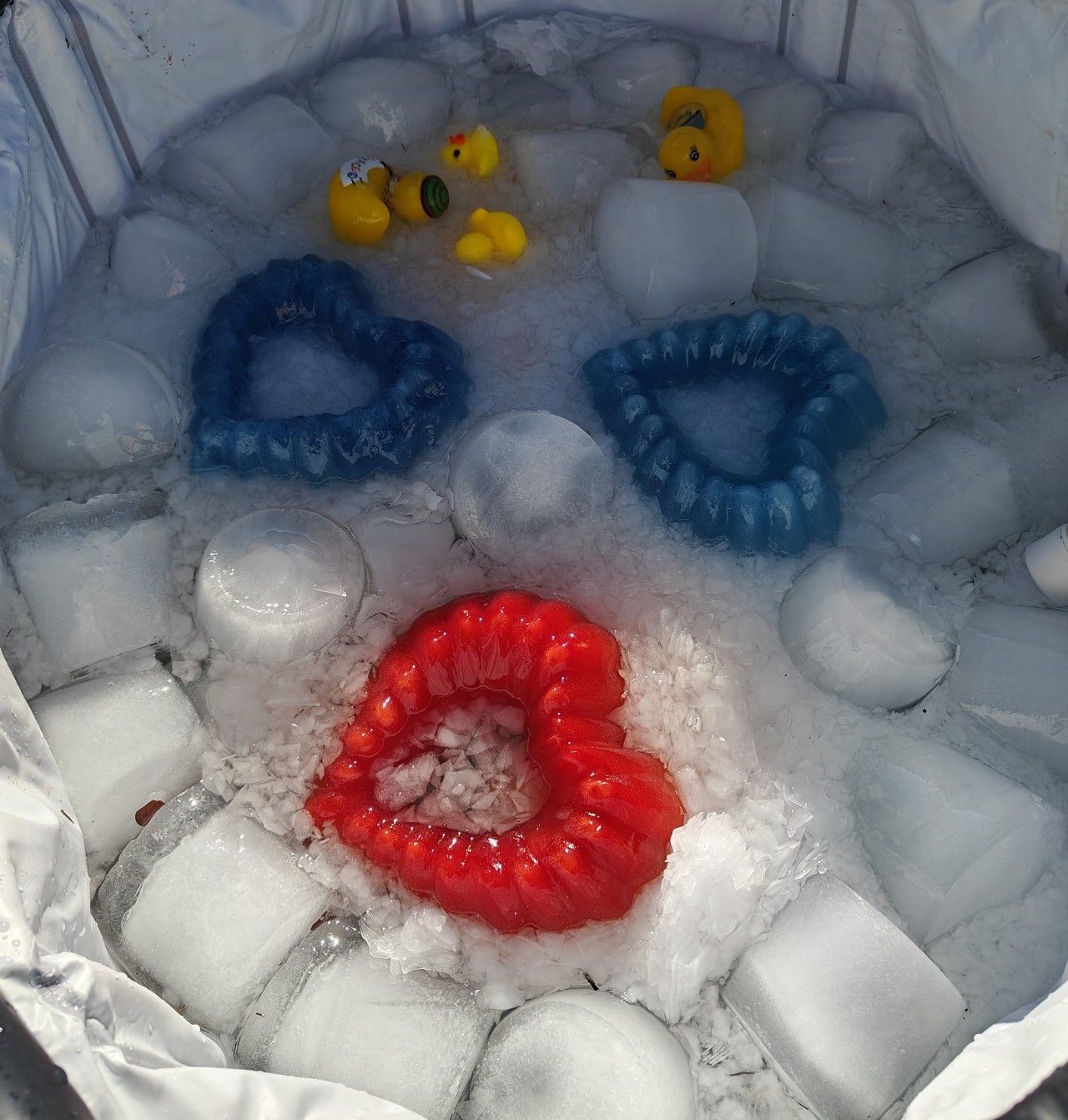
And whilst we'd all love a quick fix or a magic pill, I can't promise breathwork or cold exposure will deliver that. But what they do offer, and what the science more and more supports, is still meaningful: they are our allies in prevention, tools to strengthen our terrain, boost metabolic health and build stress resilience.
And here’s where my curiosity lives:
- Mitochondria aren’t just tiny batteries. They help us adapt, repair and handle stress. Deliberate cold exposure can stimulate mitochondrial function, improve metabolic flexibility and train cells to respond more intelligently to challenge. This is established physiology, not a fad.
- Cold also speaks to the nervous system. Through the vagus nerve, that pathway connecting brain, heart, lungs and gut, cold exposure helps us regulate, recover and step out of survival mode. A calmer nervous system opens space for healing, connection and truly living.
- Paired with conscious breathing, cold shifts from a test into a conversation with the body. It becomes a practice in meeting intensity without panic, in choosing calm, agency and trust.
This isn't about forcing outcomes. It's about cultivating conditions where life thrives: smoother metabolism, tamed inflammation, a nervous system that relaxes instead of bracing. Where the body feels safe to heal and adapt.
And that's where love lives for me. Not in guarantees but in steady care, attention and showing up again and again. That deep, quiet love drives me. It’s why I keep returning to breathwork, why I keep stepping back into the cold and why I keep creating spaces where people can meet themselves honestly, gently and without ego. Nothing to do with fearlessness. Everything to do with our relationship with the body, the breath and life exactly as it is.
And for me, that is a heart practice.
Love & Ice,
Pavla
If you’d like to practice this kind of care, I run a monthly Wim Hof Method workshop. A journey of growth with breath, cold and heart-centered connection without extremes, just meaningful steps toward resilience and presence. Spots are limited. Join a group that chooses practice over performance and care over ego.
Sign up here and let's practice together.
Categories: : Breathwork & Meditation, Cold exposure, Wim Hof Method
Enjoyed this? Stay curious with me.
Occasional thoughts on breathing, resilience, health, cold and the interesting things I discover along the way.
Plus first notice of workshops and community events.
