Inspired by Olive
 Pavla Borg

From olive trees to breathwork and touch, an exploration of small practices that support the heart, resilience and connection.
Olive Trees, Touch, Breath: Small practices for a heartful life
In honour of Oliwia Wojnowska
There’s something quietly radical about the ordinary.
Bread dipped in olive oil.
A cup of warm herbal tea.
A breath shared.
A hand held gently by another’s, just long enough to say I see you.
These small gestures carry a truth worth remembering: tending the heart isn’t about grand moments or dramatic transformations. It’s about small, repeated acts of attention... practices that teach us how to stay present, connected and human.
This February, the olive tree offered a powerful metaphor for that way of living. Read on for some interesting facts!
When olives lit the night
Long before productivity and performance shaped our days, olives represented illumination.
Pressed olives produced an oil that burned clean and steady, allowing people to see in the dark and extend the day. That light made space for gathering, conversation and more time to be together.
There’s a quiet legend about how olives became food. A fisherman once forgot a sack of olives in his boat. As days passed, seawater washed over them again and again, transforming what was once bitter and inedible into something fragrant and nourishing: the fermented delicacy we know today.
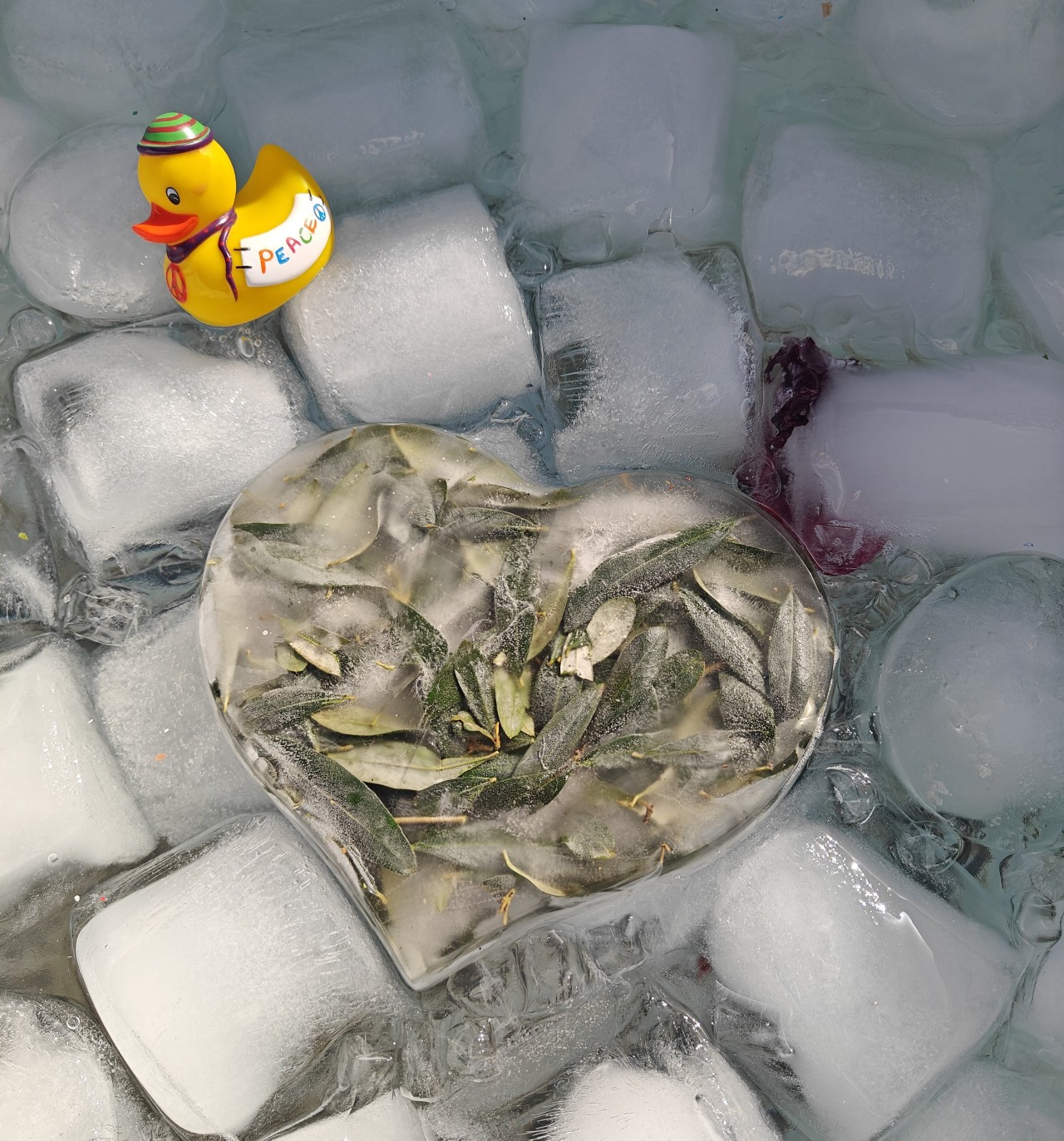
From this practical gift grew centuries of meaning. The olive branch became a symbol of peace and reconciliation. The tree itself came to represent resilience, generosity and new beginnings, not because life is easy, but because it continues even after loss and destruction.
Olive trees are, in every sense, nature’s overachievers: resilient, generous, sacred.
These aren't just some poetic ideas (even though who doesn't like a bit of poetry?). This symbolism is grounded in reality. Olive trees can live and bear fruit (yes, fruit!) for hundreds of years. A 1,600-year-old tree in Croatia still produces olives today. Here in Malta, the ancient Bidni olive variety is protected as a national treasure because of its deep cultural roots. (In 2012, Maltese people ranked eighth in the world for per-capita olive oil consumption... we know a good thing when we taste it!)
The quieter wisdom of olive leaves
How about sharing a cup of olive tea together?
In Malta, olive leaf tea has traditionally been used to support the heart and calm the body... not as a cure, but as a steady companion, especially in colder months when the system needs gentle support.
Olive leaves are rich in polyphenols, flavonoids and oleuropein, a compound the tree produces to protect itself. These are more concentrated in the leaves than in the oil, giving the tea its earthy, slightly bitter taste.
According to some research, olive leaf compounds help neutralise oxidative stress, supporting cellular health, cardiovascular resilience and recovery from physical stress (including cold exposure). Studies suggest olive leaf extract may support healthy blood-pressure regulation and improve vascular health and lipid balance.
Olive leaf also shows antimicrobial and antiviral activity in laboratory studies. This doesn’t mean it 'kills viruses' in the body, but it may gently support immune resilience, explaining its popularity during winter. Some research also suggests support for insulin sensitivity and glucose regulation.
Olive leaf tea is a gentle way to connect to tradition and nature's wisdom. I like mine with lemon juice and a little honey.
If you’re on blood-pressure or blood-sugar-lowering medication, have low blood pressure, or are pregnant or breastfeeding, it’s wise to consult a healthcare professional before using concentrated extracts.
The language your hands speak
Some forms of care don’t need explanation.
Our hands speak a language of their own. They comfort. They connect. They say I’m here in ways words never can.
A simple, soothing practice that takes just a few minutes, yet it can mean so much is the AromaTouch Hand Technique™.
A few gentle strokes across the palm. A soft hold on each finger. An attentive pause. These aren’t complicated movements but they communicate safety, presence and care. The magic isn’t in the oil itself, but in the pause and the willingness to slow down and offer touch with attention.
Touch reminds the body that it is safe enough to soften. Even a few minutes of intentional contact can shift the nervous system for both the giver and the receiver. You can learn it down below.
Make kindness the norm
February also carries an invitation as Random Acts of Kindness Month.
Kindness isn’t just a moral ideal, it’s a physiological one. Acts of kindness stimulate oxytocin and dopamine, reinforcing connection and wellbeing.
And small actions compound. A handwritten note. Holding space. An unexpected cup of tea. These gestures gently rewire how we relate from transactional to relational, from hurried to present. One small act a week changes the shape of a month. Repeated, it changes the shape of a life.
But intention alone isn’t always enough. Kindness, like any practice, benefits from structure so down below you can find a calendar to inspire you.
When the sea became our teacher
The sea was wild that Sunday morning. The waves were crashing hard against the shore, amplifying the ocean’s natural exchange of oxygen with each surge, a perfect backdrop for doing some breathwork together. The sound became the soundtrack: rhythmic, loud, alive.
The sea reminded us that the heart can be powerful and wild at the same time.
We offered an olive branch to the waves in honour of Oliwia. Quietly. Respectfully. Without needing to explain or resolve anything.
A Buddhist teacher once said that when something precious ends, it’s like the end of a beautiful concert. We don’t grieve because it ended, we feel grateful because we were there.

This gathering of ideas and practices came alive at the recent meetup of the local Wim Hof Method community.
Bringing it home
You don’t need a gathering to practise any of this.
Brew a cup of olive-leaf tea. Take two slow breaths before sipping.
Offer a brief, attentive touch to someone you love or to yourself.
Choose one small act of kindness and do it quietly.
Find a wild place and listen. Let it teach you something about presence.
Ask yourself each morning: "How can I meet today with more heart?"
In a world that prizes the spectacular, these practices are a quiet rebellion. They don't ask for perfection or overnight transformation. They ask only for consistency and tenderness... the willingness to show up, again and again, in small ways.
And that's where the magic lives.
Not in the single heroic moment but in the countless small ones that accumulate into a life lived from the heart.
- Download the February Random Acts of Kindness calendar
- Learn the AromaTouch Hand Technique™
- My favourite AromaTouch Oil
Categories: : Breathwork & Meditation, Cold exposure, Grounding, Wim Hof Method
Enjoyed this? Stay curious with me.
Occasional thoughts on breathing, resilience, health, cold and the interesting things I discover along the way.
Plus first notice of workshops and community events.
