Spring Equinox in Malta: Light, Temples & a Seasonal Reset
 Pavla Borg
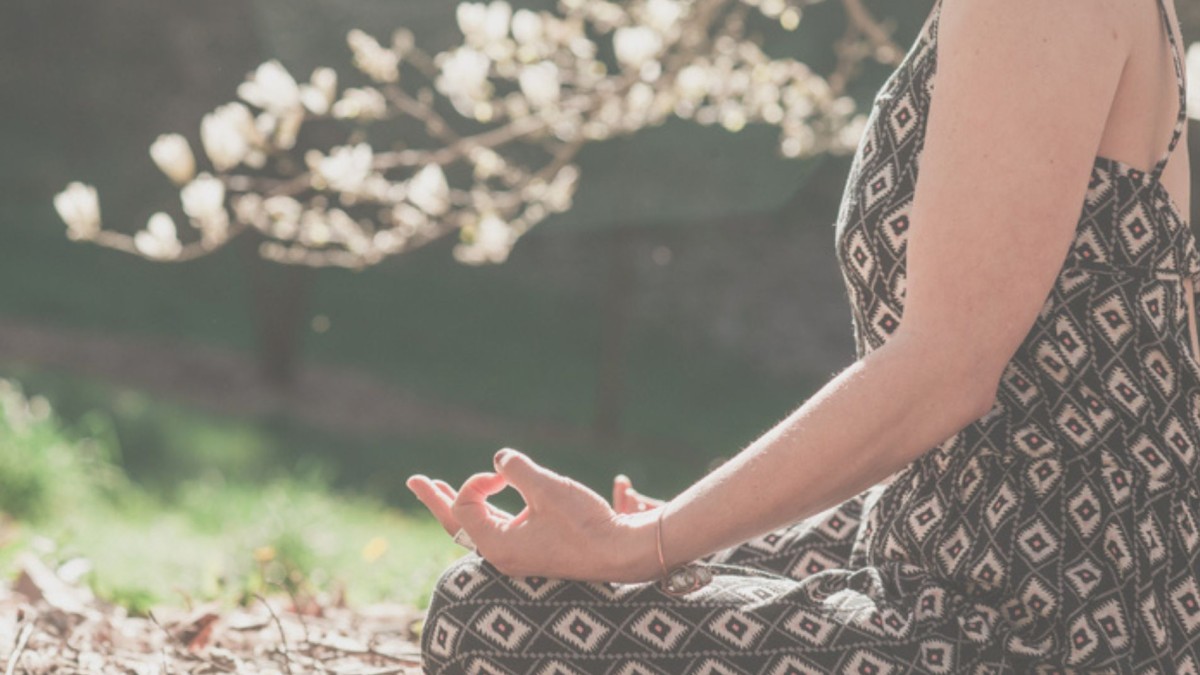
A reflection on the Spring Equinox in Malta, the ancient Mnajdra temples and why seasonal transitions are a powerful
Spring Equinox in Malta: Light, Temples & a Seasonal Reset
There is a particular kind of morning light in March.
Not the intense brightness of summer and not the damp, windy grey of a Maltese winter but something in between... a gentle widening of the day.
As a spring child, I have always awaited this season eagerly as my favourite time of year.
Growing up in South Bohemia, spring meant watching nature slowly return to life after a long winter. Snow melted, the soil softened and the first green shoots appeared almost overnight.
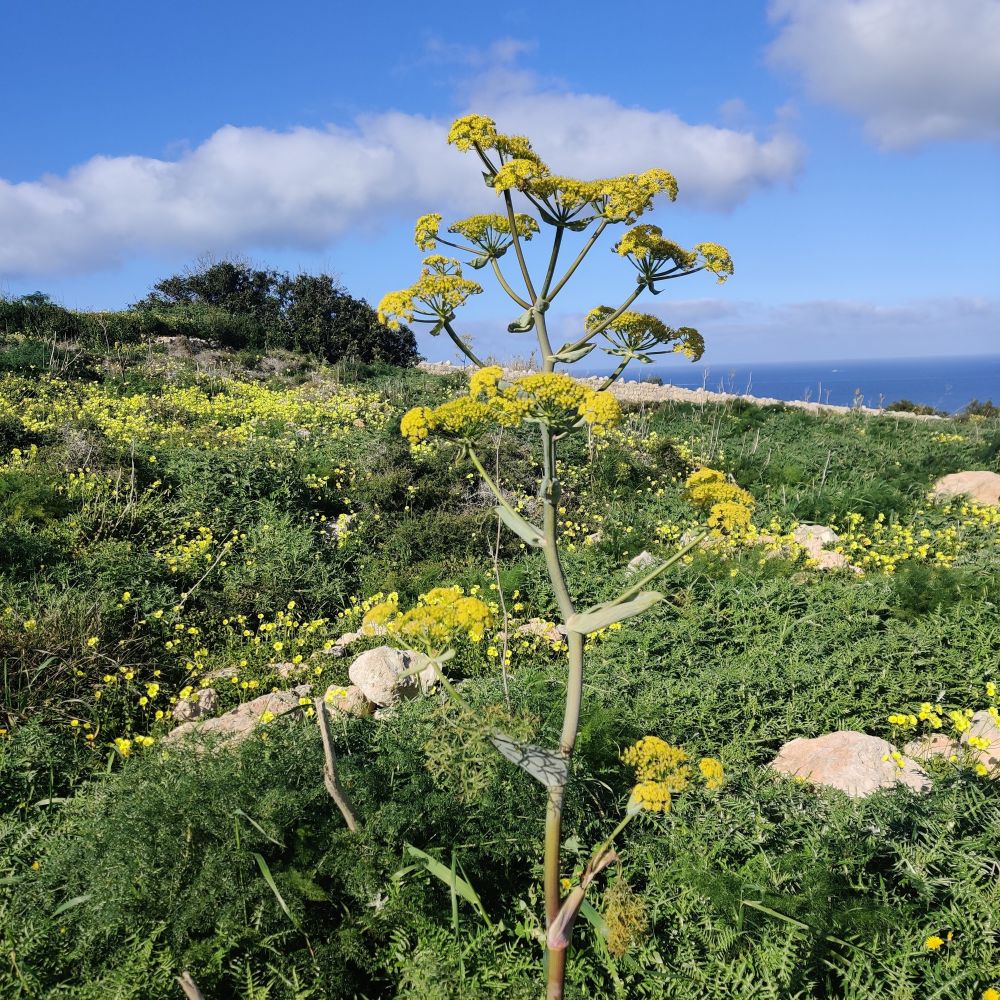
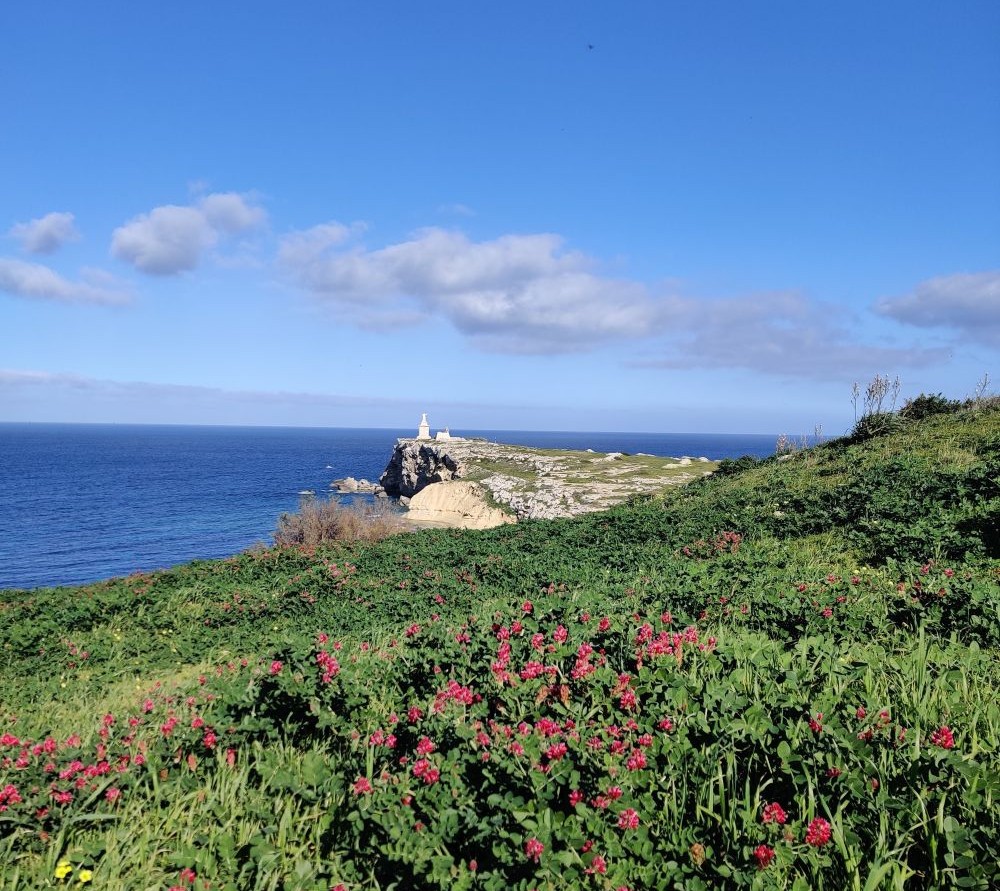
In the Mediterranean the rhythm is different. The countryside turns green much earlier, often after the autumn rains and by March it is already alive with wild plants, bees and herbs.
And yet the equinox still feels like a turning point.
A promise of longer days, of warmth returning, of life gathering momentum again.
Something subtle has shifted.
And here in Malta, the Spring Equinox carries a particularly special significance.
Why the Spring Equinox in Malta Is Special
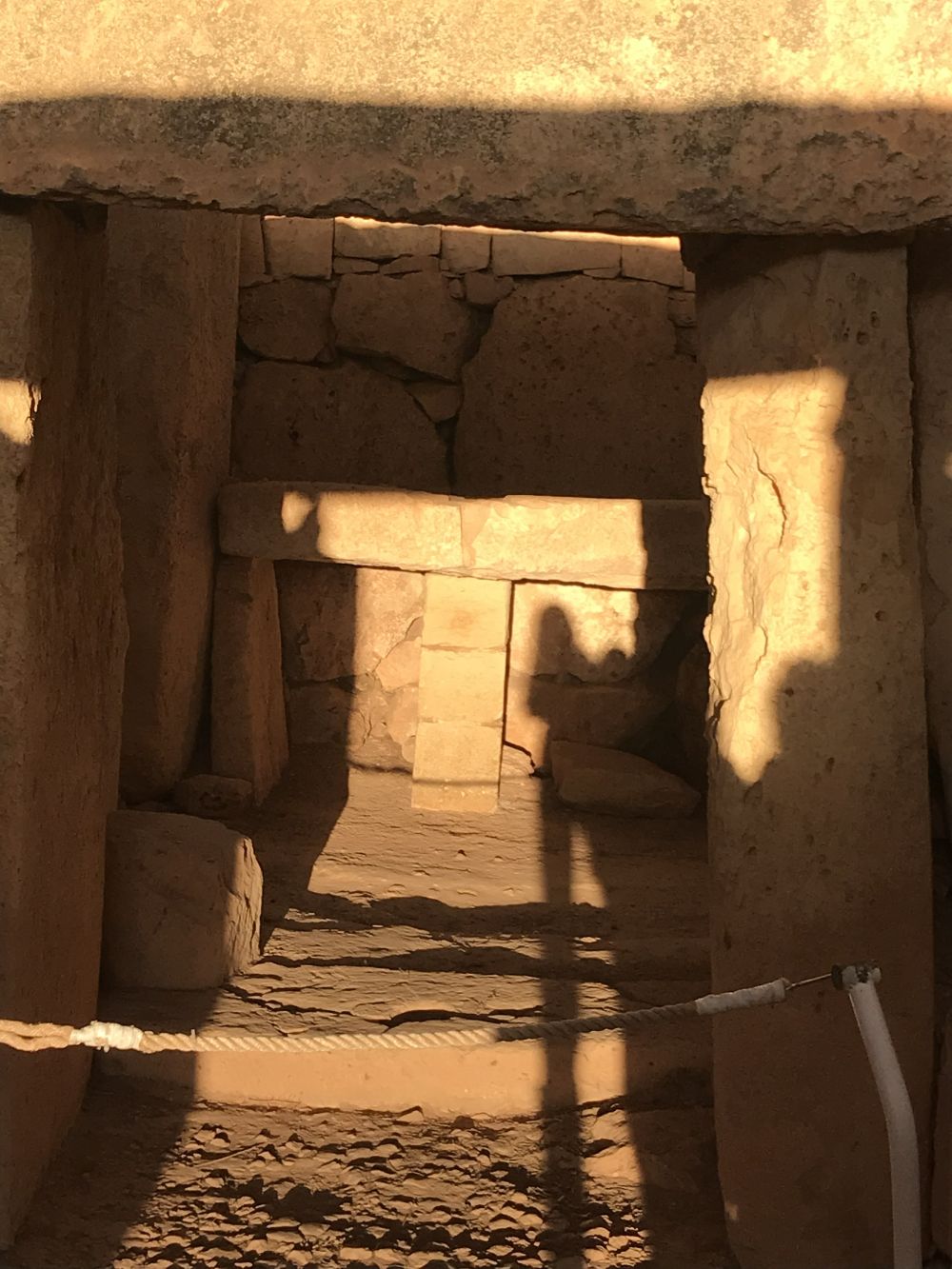
Experiencing the Spring Equinox in Malta is unique because the island holds one of the world’s oldest solar observatories in stone.
At the prehistoric temples of Mnajdra and Ħaġar Qim, built over 5,000 years ago, the rising equinox sun enters the temple passage and illuminates specific stones inside the chamber.
This alignment still happens today.
Long before telescopes or modern astronomy, people here were watching the sky with extraordinary attention. They noticed the turning points of the year and built with the sun in mind.
Light became part of the architecture.
Standing near these temples at sunrise, you cannot help but feel a sense of humility. Our ancestors understood that human life moves within larger rhythms... the turning of the Earth, the return of light, the quiet intelligence of seasons.
The Equinox Is Not Exactly Equal Day and Night
Many people assume the spring equinox is the day when day and night are perfectly equal.
It’s a beautiful idea - a balance between light and darkness - but interestingly, it isn’t entirely accurate.
The equinox is a precise celestial moment that occurs when the Sun crosses the Earth’s equator. From the Sun’s perspective, the Earth is perfectly aligned: the centre of the Sun rises and sets roughly twelve hours apart across the planet.
Because of how sunrise and sunset are measured, the day we experience is usually slightly longer than the night. The moment when daylight and darkness are truly equal actually happens a few days earlier, something astronomers call the equilux.
For ancient cultures, however, the exact number of daylight minutes was not the most important part. What mattered was the shift marked by the Equinox. The moment when the balance of light begins to change and when daylight quietly starts gaining ground.
Nature rarely moves in perfect symmetry. It moves through thresholds.
The equinox is one of those thresholds.
A Season of Release and Renewal
Seasonal turning points have always been moments for reflection.
Not because something dramatic happens overnight but because transitions in nature invite us to pause and reassess.
Every spring we instinctively begin clearing things out: closets, drawers, cupboards that accumulated clutter over winter. Yet the deeper kind of clearing often happens internally.
Old stories about who we think we should be by now.
Expectations that were never truly ours.
Ideas about what is “too late” or what we are “not ready” for.
The equinox arrives quietly but it invites a simple question:
What am I ready to release and what is ready to grow?
In many traditions, this moment is seen as a time of planting intentions.
Seeds are small and easily overlooked, yet they carry complete futures.
The same is true of our habits, thoughts and decisions.
What we plant now, in the way we breathe, move, think and live, quietly shapes the months ahead.
March: A Month of Land, Trees and Water
March carries several quiet reminders of our relationship with the natural world.
March 20: Spring Equinox
March 21: International Day of Forests
March 22: World Water Day
Land. Trees. Water.
The elements that sustain life.
Growing up, one of the ways we marked the transition into spring was through seasonal herb picking. Nettles and dandelion have long been considered classic spring tonic herbs, traditionally used to support the body after winter.
I will write more about these humble spring plants in a separate article, they deserve their own story. For now, if you would like to mark the equinox quietly at home, you might try something simple.
Prepare a cup of spring tea: nettle, dandelion, perhaps a slice of ginger for warmth. Before your first sip, pause.
Ask yourself:
Where in my life am I seeking balance?
What feels ready to change this season?
Write one clear intention for the months ahead and place it beneath your cup.
Forest and Water: The Living Elements
The days following the equinox also remind us of two essential forces in our ecosystem.
International Day of Forests highlights the vital role trees play in regulating climate, protecting biodiversity and sustaining watersheds. Spending time among trees, often called forest bathing or shinrin-yoku, has been shown to reduce stress hormones, lower blood pressure and support immune health.
Even in Malta’s smaller wooded areas, the practice is simple: walk slowly, breathe deeply and allow the nervous system to soften.
Then comes World Water Day.
Water moves through soil, roots, rivers and the human body. When we honour water, we honour the source of life itself.
Before drinking your morning water, take a moment to notice it: its temperature, its clarity, its movement. Let your first sip be a quiet acknowledgment that life flows through you as water flows through the land.
Or perhaps go one step further and submerge yourself in the cooling embrace of the Mediterranean Sea.

The Breath as a Reset
One of the most powerful ways to work with seasonal transitions is through the breath.
Breathing patterns influence the nervous system, emotional regulation and mental clarity far more than most people realise. By intentionally changing rhythm, depth and pace of breathing, we can influence the body’s chemistry and shift our state of mind surprisingly quickly.
In the Rebirth session we use a guided breathing practice that moves through different rhythms and phases of intensity. Rather than simply calming the system, this kind of breathwork can awaken energy, release emotional tension and help the body let go of what it has been quietly holding.
Participants often describe it as a kind of internal reset.
A clearing of mental clutter.
A movement of emotions that may have been sitting just beneath the surface.
In that sense, breathwork becomes a kind of internal spring cleaning... not forcing change but creating enough movement and space for something new to emerge.
Rebirth Near the Temples
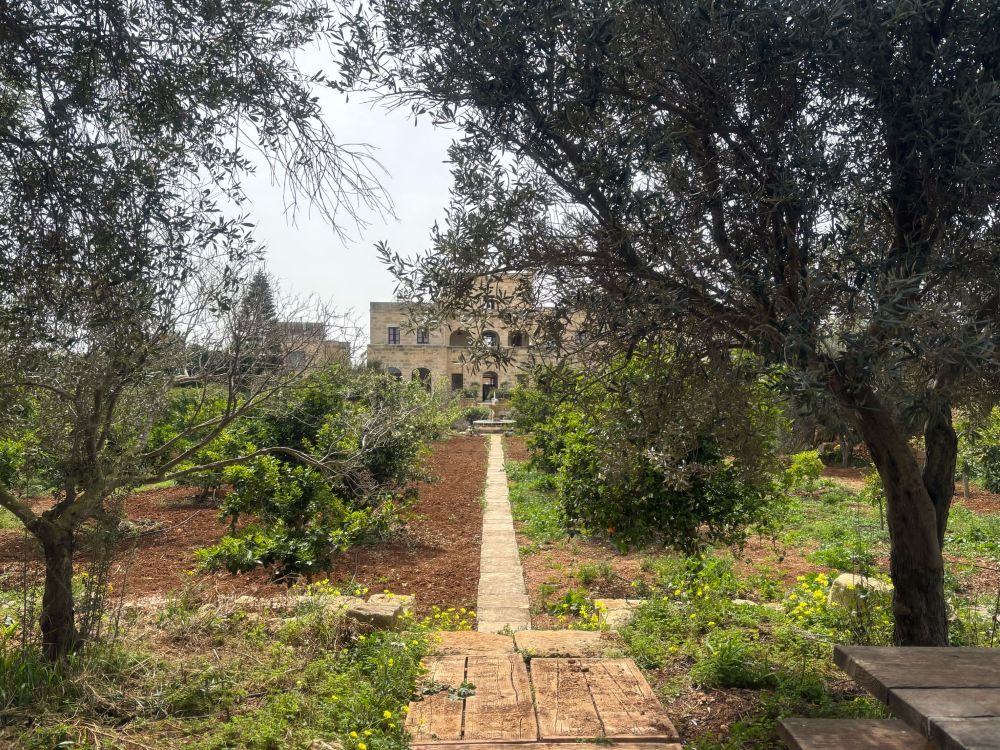
Each year around the Spring Equinox I host a small gathering at Mulberries Wellbeing Chateaux called Rebirth.
The location is not far from the Mnajdra and Ħaġar Qim temples (about 12 kilometres), a landscape that has been marking seasonal transitions for thousands of years.
Through breathwork, guided practices, journaling and optional cold immersion, we work with this threshold moment together.
The intention is simple:
To pause. To release what feels heavy. And to step consciously into the next season with clarity and renewed energy.
The gathering is intentionally small, so the experience remains personal and grounded.
If this moment of the year is calling for a reset, you can find the details here: Spring Equinox Rebirth
A Moment to Notice the Turning
Seasonal thresholds rarely announce themselves loudly.
The equinox arrives quietly... a slightly earlier sunrise, a little more warmth in the air, a sense that something beneath the surface has begun to move.
Nature simply turns the page and sometimes we benefit from doing the same.
Perhaps the most powerful way to honour the equinox is simply to step outside, take a slow breath and notice the returning light.
The season is turning either way.
The question is only whether we choose to notice it.
Categories: : Breathwork & Meditation, Cold exposure
Enjoyed this? Stay curious with me.
Occasional thoughts on breathing, resilience, health, cold and the interesting things I discover along the way.
Plus first notice of workshops and community events.
